
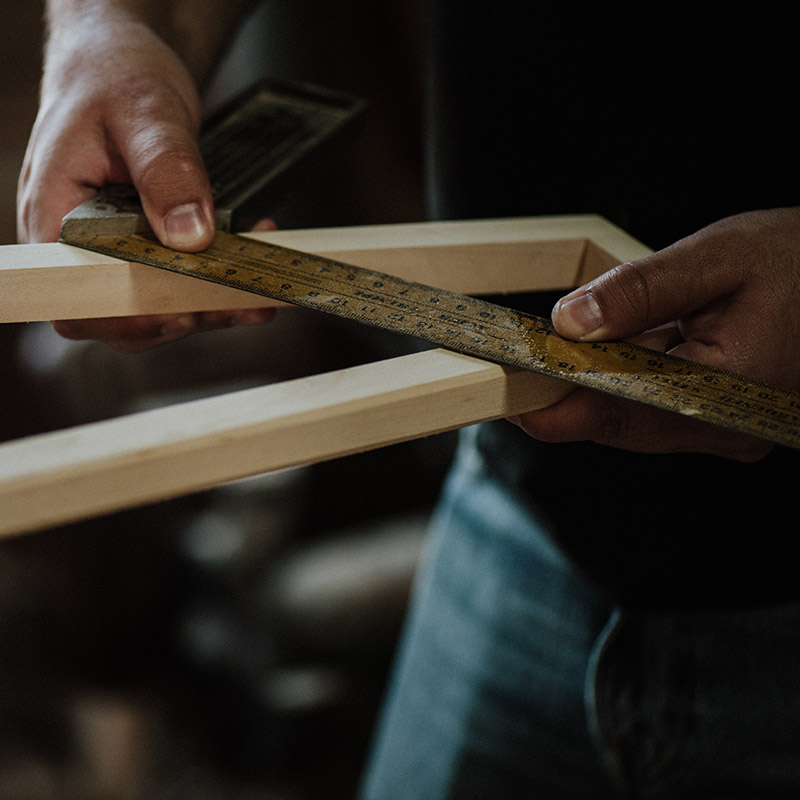
In recent years, woodworking has seen a resurgence as a popular hobby, especially among people seeking a balance between digital life and hands-on creativity. With many of us spending long hours in front of screens, the appeal of working with wood lies in its tangible, rewarding nature.
Woodworking as a hobby doesn’t require a large workshop or advanced tools. Beginners can start small with simple projects like cutting boards, picture frames, or birdhouses. These allow hobbyists to learn basic skills such as measuring, cutting, sanding, and finishing. As confidence grows, so do the projects—leading to furniture making or even artistic wood sculptures.
One reason woodworking is so fulfilling is the satisfaction of creating something useful. Unlike many modern hobbies, woodworking produces tangible results that can be enjoyed daily. A handmade bookshelf or desk carries a sense of pride, reminding the maker of their effort and creativity.
Additionally, woodworking offers mental benefits. The process of planning, problem-solving, and focusing on precise tasks encourages mindfulness and reduces stress. Many hobbyists describe it as a form of therapy, where time slows down and attention shifts fully to the work at hand.
The woodworking community also thrives online and locally. Social media platforms are filled with tutorials, project ideas, and makers sharing their craft. Local clubs and workshops offer opportunities to learn from experienced woodworkers, fostering a sense of camaraderie.
As sustainability becomes more important, woodworking also gives hobbyists the chance to repurpose materials. Reclaimed wood projects not only save money but also reduce waste and create items with unique character.
In essence, woodworking as a hobby is both practical and deeply rewarding. It bridges the gap between art and function, offering relaxation, skill-building, and the joy of creating something lasting with your own two hands.