
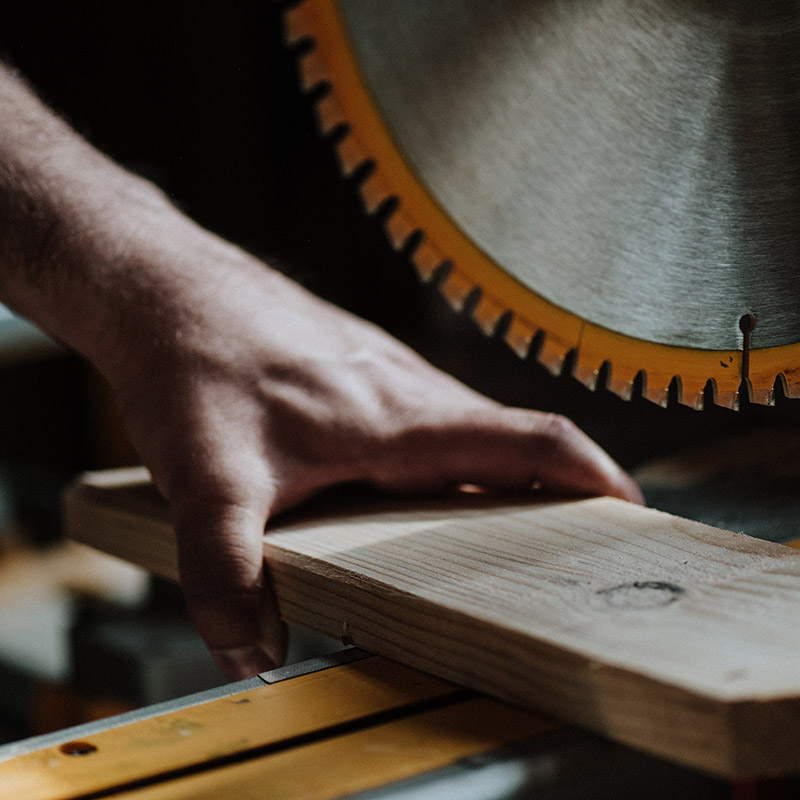
Handcrafted furniture is more than just a functional household item—it is a piece of art, history, and tradition. Unlike mass-produced furniture, handmade pieces carry a unique charm, shaped by the skill and personality of the woodworker. Every joint, curve, and finish tells a story, making each item truly one of a kind.
The creation of handcrafted furniture begins with design. Woodworkers carefully plan dimensions, proportions, and aesthetics, often sketching or using templates before touching a piece of wood. The choice of material plays a central role. Woods like cherry and walnut are prized for their natural beauty and durability, while reclaimed wood offers sustainability and character through its imperfections.
Craftsmanship techniques set handcrafted furniture apart. Mortise-and-tenon joints, dovetails, and dowels are traditional methods that ensure strength and longevity. These require skill and precision, but they create furniture that can last generations. Unlike machine-made items, the small variations in handcrafted furniture add individuality and authenticity.
Hand finishing is another hallmark. Instead of synthetic laminates, artisans use oils, waxes, or natural varnishes to enhance the wood’s grain. This process not only protects the surface but also deepens the wood’s natural warmth and beauty.
For many, handcrafted furniture represents a return to slower, more meaningful living. In an age of fast consumption, investing in a well-made table or chair reflects an appreciation for quality over quantity. Each piece becomes an heirloom, carrying sentimental value as it is passed down.
Ultimately, handcrafted furniture celebrates both tradition and creativity. It is not just about utility—it is about artistry, sustainability, and the joy of owning something made with passion and care.