
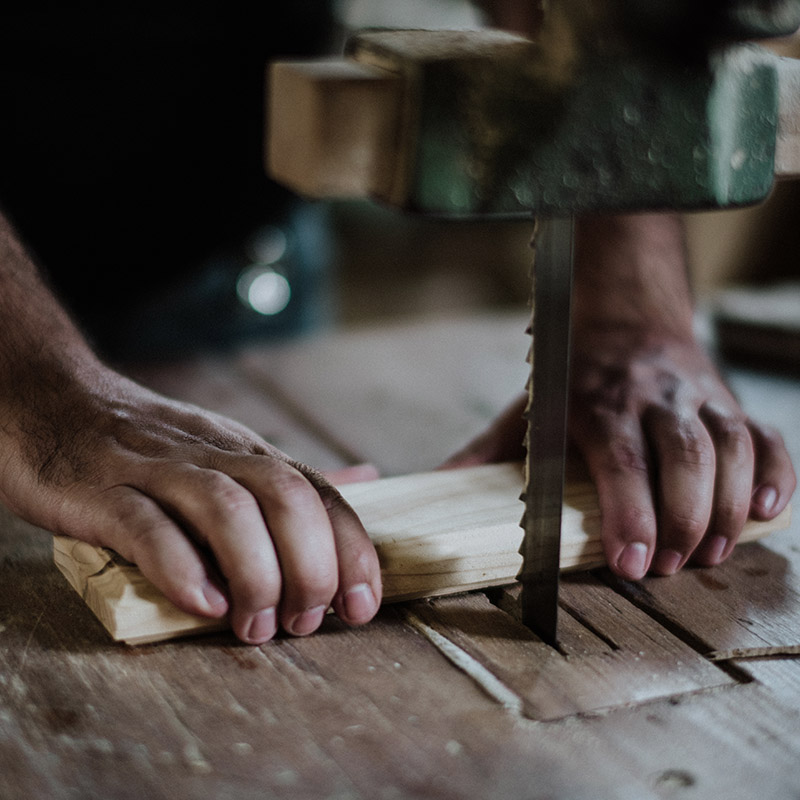
Woodworking is one of the oldest crafts known to humanity, combining creativity, skill, and practicality. From simple hand-carved tools to intricate furniture, woodworking has always been about transforming raw timber into functional and beautiful objects. Today, it remains both a practical trade and a rewarding hobby, offering makers the chance to work with their hands while expressing artistry.
At its core, woodworking begins with an understanding of wood itself. Different species—oak, maple, pine, walnut—each have unique qualities. Hardwoods, like oak and maple, are dense and durable, making them ideal for furniture and flooring. Softwoods, such as pine and cedar, are lighter and easier to shape, often used for decorative pieces or outdoor projects. Knowing the characteristics of each type of wood helps woodworkers choose the right material for their designs.
Tools are another essential aspect of woodworking. Traditional hand tools—saws, chisels, planes, and mallets—are still widely used for their precision and control. Modern workshops often combine these with power tools, such as table saws, routers, and sanders, which save time and allow for more complex work. Regardless of the method, safety is paramount, as woodworking tools can be dangerous when mishandled.
Beyond the technical aspects, woodworking offers a sense of satisfaction that few hobbies can match. Building something tangible—whether a simple shelf or a finely crafted cabinet—provides a lasting reward. The process encourages patience, attention to detail, and problem-solving, while also allowing for creativity in design and finishing.
In a world increasingly dominated by digital work, woodworking provides a refreshing hands-on experience. It connects people to nature through the material of wood and to tradition through timeless techniques. Whether pursued as a career or a personal passion, woodworking continues to inspire makers with the joy of creating something lasting from a simple block of wood.